Complete Guide to Pressure Cleaning Beachside Outdoor Tiles
Outdoor tiles in Bondi face a demanding mix of salt spray, windblown sand, sunscreen residue and damp coastal conditions. These deposits can leave patios, balconies and pool surrounds looking tired, while algae and grime can make wet surfaces slippery. Effective pressure cleaning starts with identifying the tile and protecting its grout—not choosing the highest pressure setting.
Why Beachside Tiles Need Special Care
Sand acts as an abrasive underfoot, while salt deposits can accumulate on tiles and surrounding fittings. Shaded areas that stay damp are also more likely to develop algae or mildew. Regular sweeping and appropriate washing help prevent this build-up from becoming difficult to remove.
Not every white mark is sea salt. Powdery deposits may be efflorescence, which occurs when moisture carries soluble salts through grout, mortar or masonry. If deposits return after cleaning, investigate drainage or moisture movement rather than repeatedly increasing cleaning pressure.
Check Your Tile Material Before Cleaning
Porcelain and Ceramic Tiles
Many exterior porcelain tiles tolerate controlled pressure cleaning, but grout joints, chipped edges and decorative finishes remain vulnerable. Check the manufacturer's care instructions, particularly for glazed or coated surfaces. Textured tiles may need a suitable cleaner and gentle brushing to release embedded dirt.
Natural Stone
Sandstone, limestone, marble and travertine require extra caution. Acidic products, including vinegar, can damage acid-sensitive stone. High pressure may erode softer surfaces or disturb fillers. Use a stone-compatible cleaner and consider professional advice before cleaning porous or deteriorated stone.
Terracotta and Concrete Tiles
Terracotta is porous, and concrete tiles may have coatings or sealers that pressure washing can damage. Check the surface condition and product guidance before proceeding. Loose tiles, crumbling grout or a peeling coating should be assessed before pressure cleaning.
How to Pressure Clean Outdoor Tiles Safely
- Inspect and prepare: Move furniture, sweep away sand and leaves, and check for loose grout or cracked tiles. Protect nearby electrical fittings and keep people and pets away.
- Plan wastewater collection: Identify drains and prevent dirty water, detergent and loosened debris from entering stormwater. Use suitable containment and collection equipment where needed.
- Test a small area: Start in an inconspicuous spot with the lowest effective pressure and a wide fan nozzle. Assess the result before treating the whole surface.
- Apply a compatible cleaner: Follow the label for dilution, dwell time, protective equipment and rinsing. Work in manageable sections and do not let the product dry on the tiles.
- Clean evenly: Keep the nozzle moving at a consistent distance. Avoid directing a concentrated jet into grout, cracks, door tracks or wall junctions. Never use a narrow jet simply to speed up stubborn stain removal.
- Rinse, collect and inspect: Remove cleaning residue using controlled water flow, collect wastewater as planned and let the surface dry before checking for remaining marks or damage.
There is no single safe pressure setting for every outdoor tile. Nozzle type, distance, water flow and surface condition all affect the result. A suitable surface-cleaning attachment can improve consistency on some sound, level surfaces, but it does not make excessive pressure safe.
Managing Common Stains
Algae and Slippery Growth
Use a treatment labelled for the surface and the type of growth. Scrubbing with a suitable brush can reduce the pressure needed. Address persistent shade, poor drainage or irrigation overspray where practical, as cleaning alone does not prevent regrowth.
Rust, Oil and Sunscreen Residue
These stains often need targeted products rather than stronger pressure. Choose a tile-compatible degreaser for oily residue and a material-specific rust remover for rust marks. Many rust removers contain acids and are unsuitable for sensitive stone. Never mix cleaning chemicals, especially chlorine-based products with acids or ammonia.
Water Use and Runoff in Bondi
For Bondi properties, check current Sydney Water requirements before starting, including any applicable restrictions on outdoor surface cleaning. Requirements can change, so confirm the rules in force rather than relying on older advice.
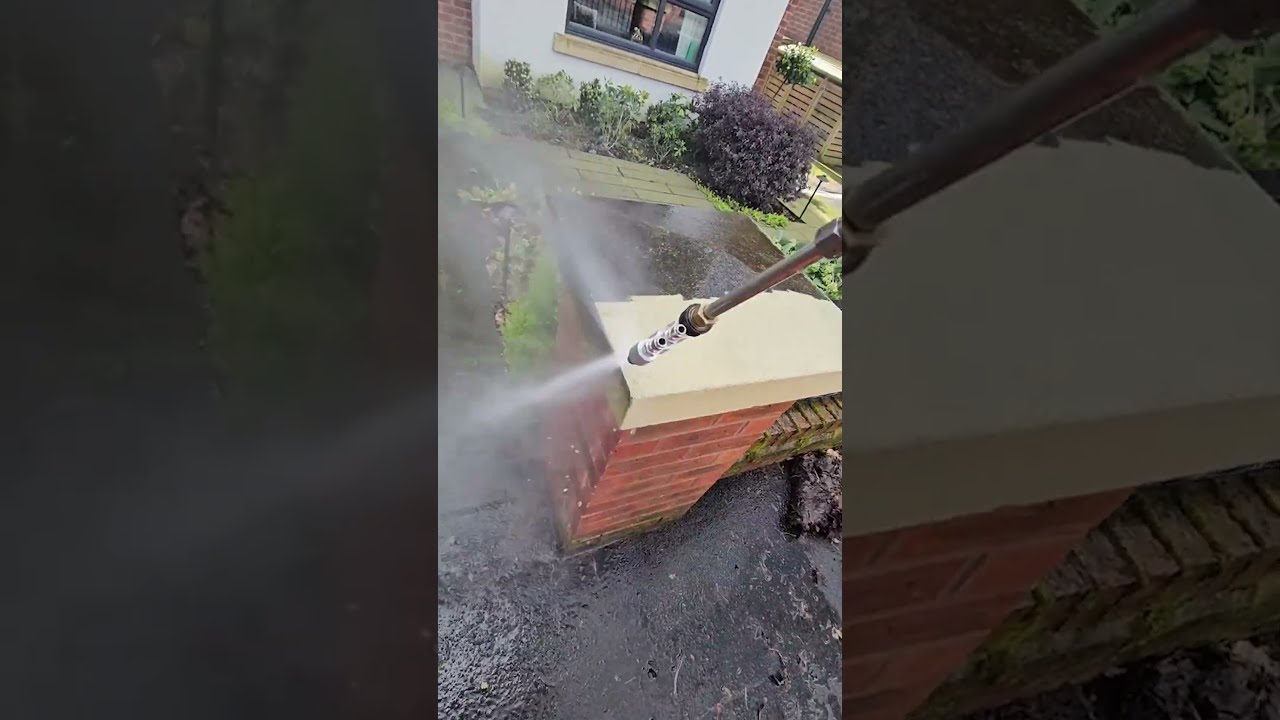
Do not wash contaminated cleaning water into street gutters or stormwater drains. Stormwater can carry pollutants towards local waterways and beaches. Ask Waverley Council or the relevant water authority about appropriate disposal if you are unsure; do not assume wastewater can simply be discharged into the sewer.
On apartment balconies, confirm strata requirements and https://lorenzoledc617.clearhavendigest.com/posts/evaluating-pressure-cleaning-costs-for-bondi-coastal-homes-in-2026 drainage arrangements first. Avoid spraying water towards doors, building joints or neighbouring properties. Pressure cleaning does not repair failed waterproofing and may worsen existing leaks.
Keeping Tiles Cleaner Between Washes
Sweep regularly to remove abrasive sand, clean spills promptly and keep drainage outlets clear. Use occasional fresh-water rinsing only where permitted and where runoff can be managed. Base deep-cleaning frequency on actual build-up, exposure and slip risk rather than a fixed calendar.
Some porous tiles benefit from a compatible sealer, but not every surface needs one. Check whether sealing affects appearance or slip resistance, and follow the specified drying and curing requirements.
When to Hire a Bondi Pressure Cleaning Service
Professional help is worthwhile for delicate stone, large areas, persistent staining, difficult wastewater collection or balconies with waterproofing concerns. Ask how the contractor identifies tile materials, protects grout, controls pressure and manages runoff.
A careful service should explain the proposed method and any limitations before work begins. The goal is a cleaner, safer outdoor area without sacrificing the tiles, surrounding building materials or Bondi's coastal environment.
Bondi Pressure Cleaning
(02) 8550 5711